
Fire Protection Guide
Fire Extinguisher Selection Guide: ABC Dry Powder for B2B & Export Projects
Portable fire extinguishers are the highest-volume entry point in fire-protection sourcing — but ABC dry powder, CO2, foam and water units are not interchangeable. This guide helps importers, distributors and project buyers match fire classes to extinguishing agents, check the specifications that actually matter, and get the certification and dangerous-goods paperwork right before an order ships.
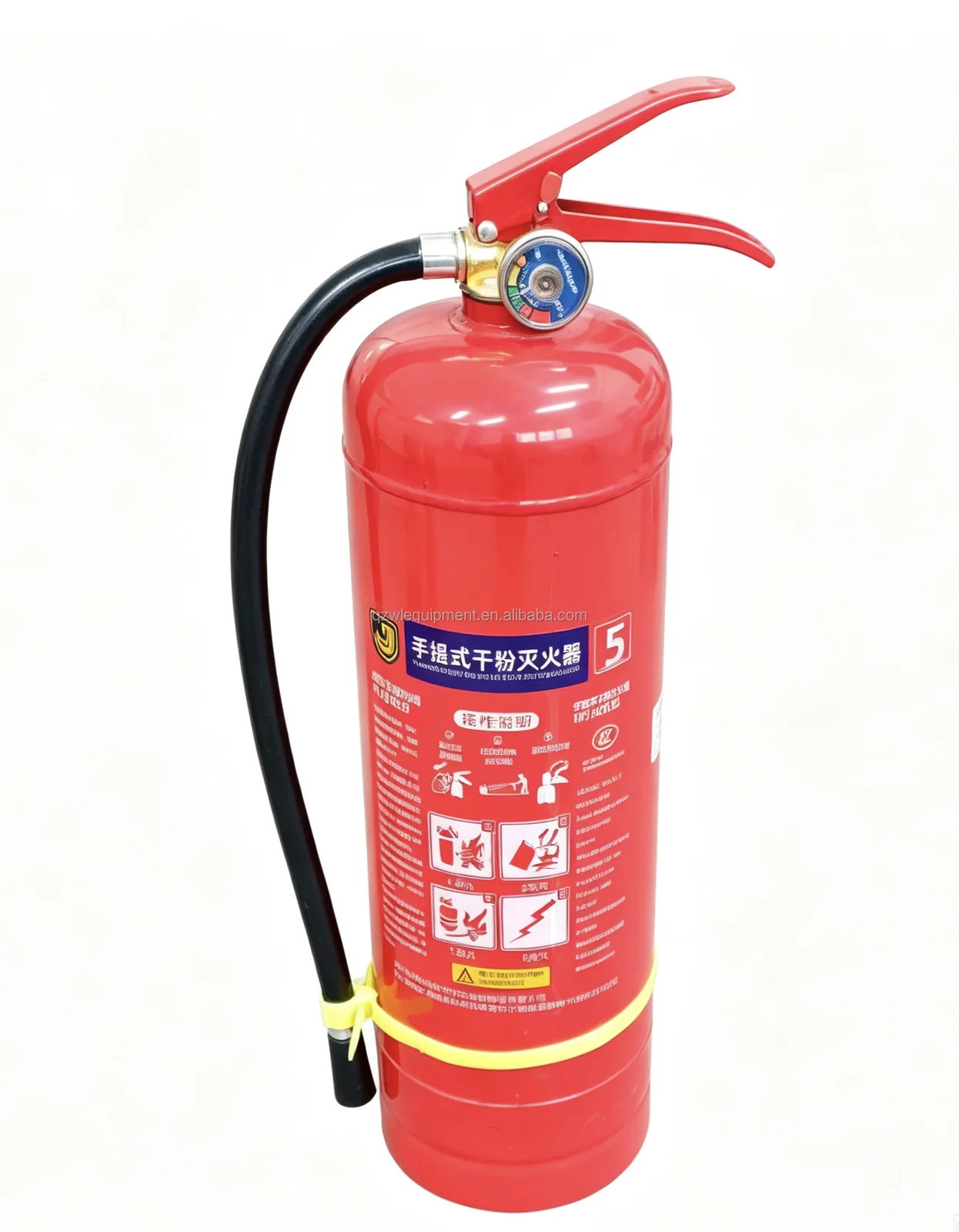
ABC Dry Powder Fire Extinguisher (5kg)
Portable ISO 7165 unit covering Class A/B/C/E fires
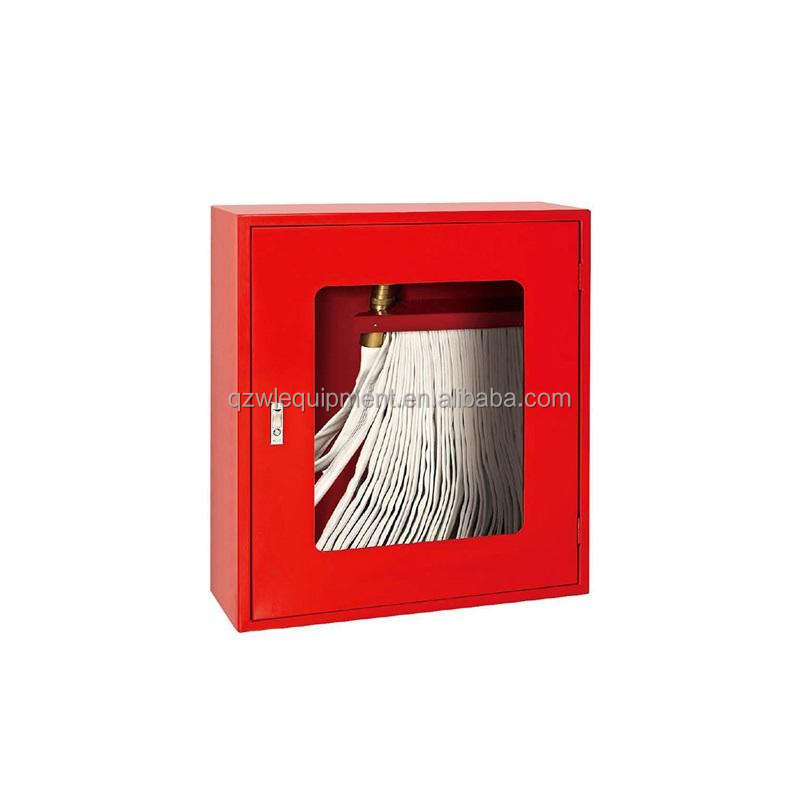
Stainless Steel Fire Extinguisher Box
SS304/201 cabinet for extinguisher or hose reel storage
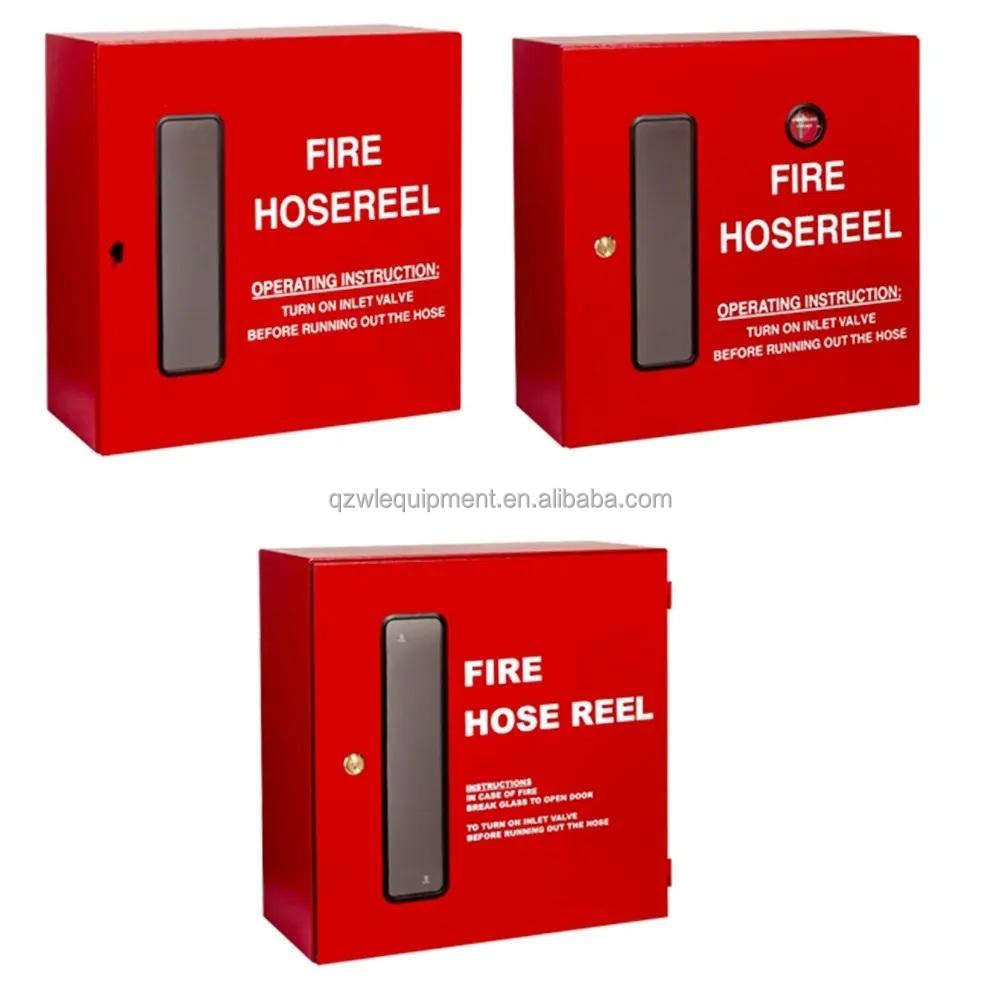
Metal Fire Extinguisher Box (Red)
Powder-coated cabinet with instruction panel, OEM sizes
1. Why Fire Extinguishers Lead Fire-Protection Sourcing
Industry platform search data from August 2026 shows that fire extinguisher was the most-searched category in the fire-protection sample — roughly 19,800 searches, about one-third of all top-category searches — with related portable formats such as aerosol and ball-type units adding thousands more. Google's relative search-interest index for "fire extinguisher" measured 80/100 in August 2026 after peaking at 100 earlier in the year, with the strongest relative interest in Qatar, the UAE, the Philippines, the US and the UK.
What the numbers really mean for a supplier: demand arrives from three different buying modes at once — distributors restocking standard SKUs, contractors fitting out buildings under specification, and facility managers replacing expired units. A generic "fire equipment" pitch blurs retail and engineering buyers into one indistinct inquiry. Presenting the extinguishing agent, capacity, class coverage and certification up front is what lets each buyer self-select the right product family.
2. Fire Classes and Extinguishing Agents
Every portable extinguisher is rated against fire classes, and the agent must match the hazard. ABC dry powder is the multi-purpose default; other agents win where residue, reignition risk or special fuels change the picture.
| Fire Class | Typical Fuels | Most Effective Agents | ABC Dry Powder Fit |
|---|---|---|---|
| Class A | Wood, paper, textiles, plastics | Water, foam, ABC powder | Standard choice |
| Class B | Petrol, oils, solvents, paints | ABC powder, foam, CO2 | Standard choice |
| Class C | Propane, butane, methane, LPG | ABC powder (shut off supply first) | Suitable |
| Class E | Energized electrical equipment | CO2, ABC powder (non-conductive) | Suitable — mind powder residue |
| Class F | Cooking oils and fats | Wet chemical | Not recommended |
| Class D | Combustible metals (Mg, Na) | Specialist metal powder | Not suitable |
For the mixed occupancies most B2B buyers supply — offices, warehouses, workshops, retail — one ABC dry powder line typically covers 80% of the portable units on the bill of materials, with CO2 reserved for electrical rooms and foam or wet chemical for specialized hazards.
3. ABC Dry Powder Specifications Explained
When a quotation arrives, check these five parameters before comparing prices across suppliers:
- Agent and capacity — monoammonium-phosphate based ABC powder is the multi-purpose standard; net agent weight (3kg / 4kg / 5kg on our range) drives both coverage and freight cost.
- Active content — our ABC powder is specified at 90% active content, which affects extinguishing performance per kilogram.
- Discharge performance — expect roughly 8-15 seconds of effective discharge on a 5kg unit; the spec sheet should state it rather than leaving it implied.
- Stored-pressure operation and gauge — the propellant and powder are kept under pressure in one cylinder; a color-coded gauge shows the unit is serviceable, so the gauge design matters for maintenance inspections.
- Cylinder and valve quality — carbon steel cylinder with corrosion-resistant red coating, brass valve assembly, and a discharge hose with nozzle complete the unit.
Our 5kg ABC dry powder fire extinguisher is manufactured to ISO 7165 with CCCF marking, covers Class A/B/C/E fires, and is available in 3kg / 4kg / 5kg net weights with a one-year warranty. The discharge hose, pressure gauge and brass valve are included as standard.
One honest caveat worth passing to your customers: dry powder leaves a residue that is cheap to clean from floors and machinery but damaging to electronics — which is exactly why the Class E row in the table above comes with a caution.
4. Certification and Compliance for Export
Certification is where portable extinguisher sourcing differs from commodity buying, because the markings must match the actual model — not a brand or a series.
- ISO 7165 — the international standard for portable fire extinguishers, covering construction, performance and testing. It is the reference point for most export markets and is marked on our 5kg model.
- CCCF — the China Compulsory Certification for fire products. It qualifies the unit for the Chinese market; it is not an export certificate, and this distinction matters when a buyer plans to resell outside China.
- Destination-market certification — for the EU, verify CE marking against the applicable standard for the exact model; some North American applications look for UL or ULC-listed units. Always ask the manufacturer for the certificate covering the model and valve combination you intend to import, and reject generic "series-wide" statements.
- Marking and language — operating pictograms, class labels and the language of the instruction label should be confirmed for the destination country before mass production, because re-labeling after arrival is costly.
- Batch test reports — request the test report for the actual production batch, not a template from a different model. Our certificates and compliance page shows how certification documentation is handled for our fire protection range.
5. Where Extinguishers Are Installed: Commercial, Warehouse and Vehicle
The same 5kg ABC unit serves very different end users, and the specification changes with the site:
- Commercial buildings and offices — wall-mounted 4-5kg ABC units near exits and common areas, with CO2 in electrical rooms. Wall boxes protect the unit and make inspection easy.
- Warehouses and industrial floors — ABC powder for mixed Class A/B hazards; large open areas typically pair extinguishers with hose reel systems and, for very high ceilings, fixed suppression. See our fire hose reel and cabinet guide for the fixed-equipment side of the same package.
- Vehicle and mobile — compact units for trucks, forklifts and plant rooms; our 3kg option suits these spaces and can be quoted with mounting hardware.
- Outdoor and corrosive environments — the stainless steel extinguisher box (SS304/201 with viewing window) protects units at airports, seafront sites and chemical plants, while the red metal extinguisher box with printed operating instructions is the economical indoor standard.
6. Factory Buying Checklist: OEM, MOQ & Dangerous-Goods Packaging
Buying extinguishers from a Chinese factory is a documentation exercise as much as a product exercise. Run this checklist before you commit:
- OEM scope — cylinder color, body label, logo and label language can be customized; confirm artwork and approval timing in the order schedule.
- MOQ and lead time — both depend on model, quantity and label configuration, so they are confirmed on quotation; state your target market and annual volume to get a realistic number.
- Dangerous-goods classification — the pressurized cylinder may be classified as dangerous goods for transport. Confirm the UN classification and packaging requirements for the exact model with your forwarder before booking space.
- China export paperwork — where a shipment is classified as dangerous goods, the Chinese exporter must provide the appraisal certificate for transport packaging of outbound dangerous goods; customs enforcement cases show shipments without it being detained and penalized. Ask your supplier to confirm this document is in place.
- Consolidate the package — ordering extinguishers together with wall boxes, hose reels and valves from one manufacturer simplifies certification files and freight. Our B2B valve sourcing checklist covers the factory-verification side of the same due diligence.
Frequently Asked Questions
Which fire classes can an ABC dry powder fire extinguisher handle? +
An ABC dry powder extinguisher covers Class A (wood, paper, textiles), Class B (flammable liquids), Class C (flammable gases) and Class E (electrical) fires, which is why it is the default portable unit for commercial and industrial buildings. It is not the right choice for Class F cooking-oil fires (use wet chemical) or Class D metal fires (use specialist metal powder).
What does ISO 7165 certification mean on a fire extinguisher? +
ISO 7165 is the international standard for portable fire extinguishers, covering performance, construction, marking and testing. Our 5kg ABC dry powder model is manufactured to ISO 7165 and also carries CCCF. Note that CCCF is the China Compulsory Certification for fire products — it qualifies the unit for the Chinese market but is not an export certificate by itself. For export, request the certificate for the exact model and destination market.
What sizes of ABC dry powder extinguishers are available? +
The Wanlian ABC dry powder extinguisher is available in 3kg, 4kg and 5kg net agent weights, with a discharge time of approximately 8-15 seconds and a color-coded pressure gauge on the carbon steel cylinder. A 5kg unit is the common specification for offices, warehouses and commercial installations; confirm your hazard class and coverage area when requesting a quotation.
Can I order fire extinguishers with my own brand and label (OEM)? +
Yes. We support OEM on cylinder color, body label, logo and language, and can match label language to your destination market. MOQ, artwork confirmation and lead time are confirmed on quotation — send your target volume and market so we can quote the correct configuration.
Do dry powder extinguishers need special packaging for export shipping? +
Because the cylinder is pressurized, confirm the dangerous-goods classification (UN number) and transport packaging requirements with your forwarder for the exact model. For shipments from China that are classified as dangerous goods, the exporter must provide the appraisal certificate for transport packaging of outbound dangerous goods; customs enforcement cases show that shipments without it can be detained and penalized. We confirm packaging and documentation requirements with you before production.
When should I choose CO2 instead of ABC dry powder? +
Use CO2 where powder residue would be costly to clean: control rooms, server rooms, laboratories and switchgear. ABC dry powder is the better all-round value for general commercial, warehouse and industrial areas covering mixed Class A/B hazards. If your project mixes both areas, a typical package combines powder units for open areas with CO2 units for sensitive equipment rooms.
Sourcing ABC Dry Powder Fire Extinguishers?
Send your target market, quantity and label language — our team confirms certification status, MOQ and dangerous-goods packaging requirements within 12 hours.