
Certification Guide
CE & EN 12845 Compliance Guide: Fire Protection Equipment for the European Market
Selling fire protection equipment into Europe is a documentation exercise before it is a product exercise. EN 12845 defines how sprinkler water supplies must be built, EN 12266-1 defines how valves are tested, ISO 7165 defines portable extinguisher performance — and CE marking, where it applies, must trace to a specific model, never a whole series. This guide explains the framework and what evidence a European buyer should demand from a Chinese supplier.
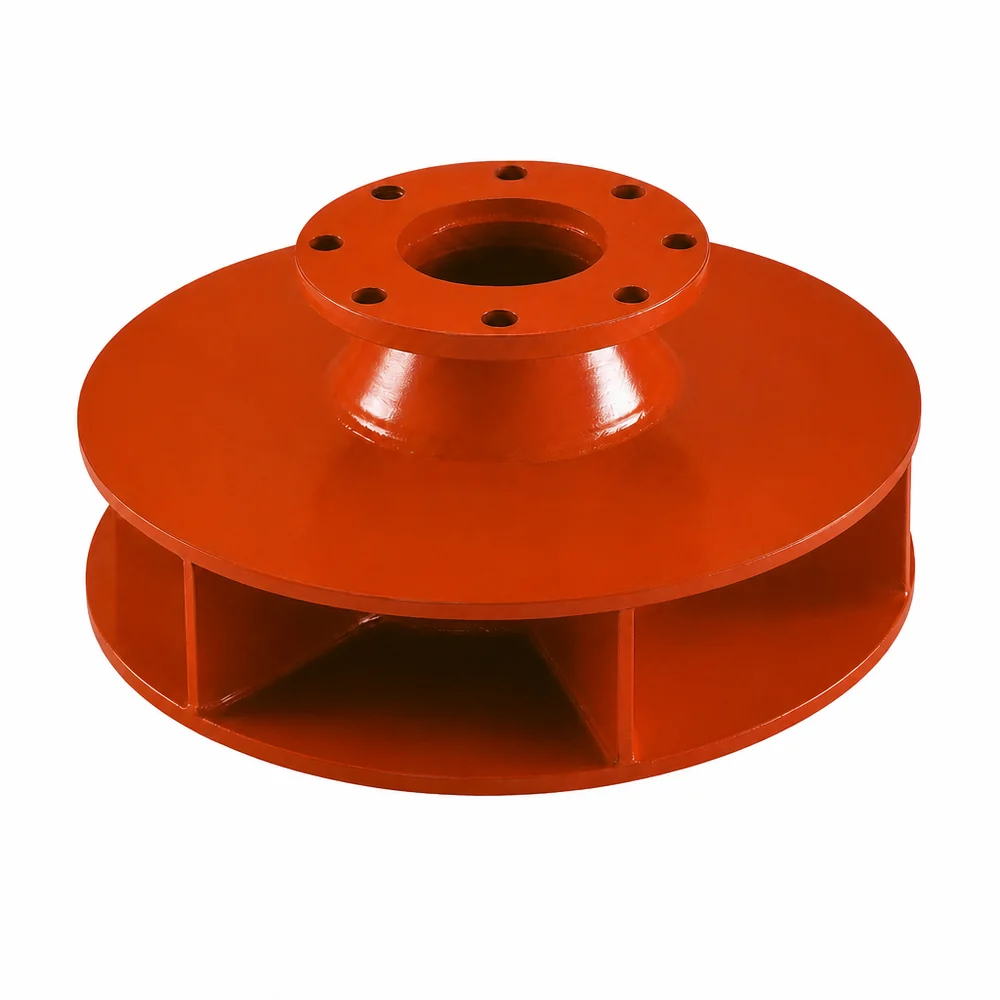
Suction Vortex Preventer (EN12845)
SS304/316, DN50-DN1000, EN12845 & GB50974-2014
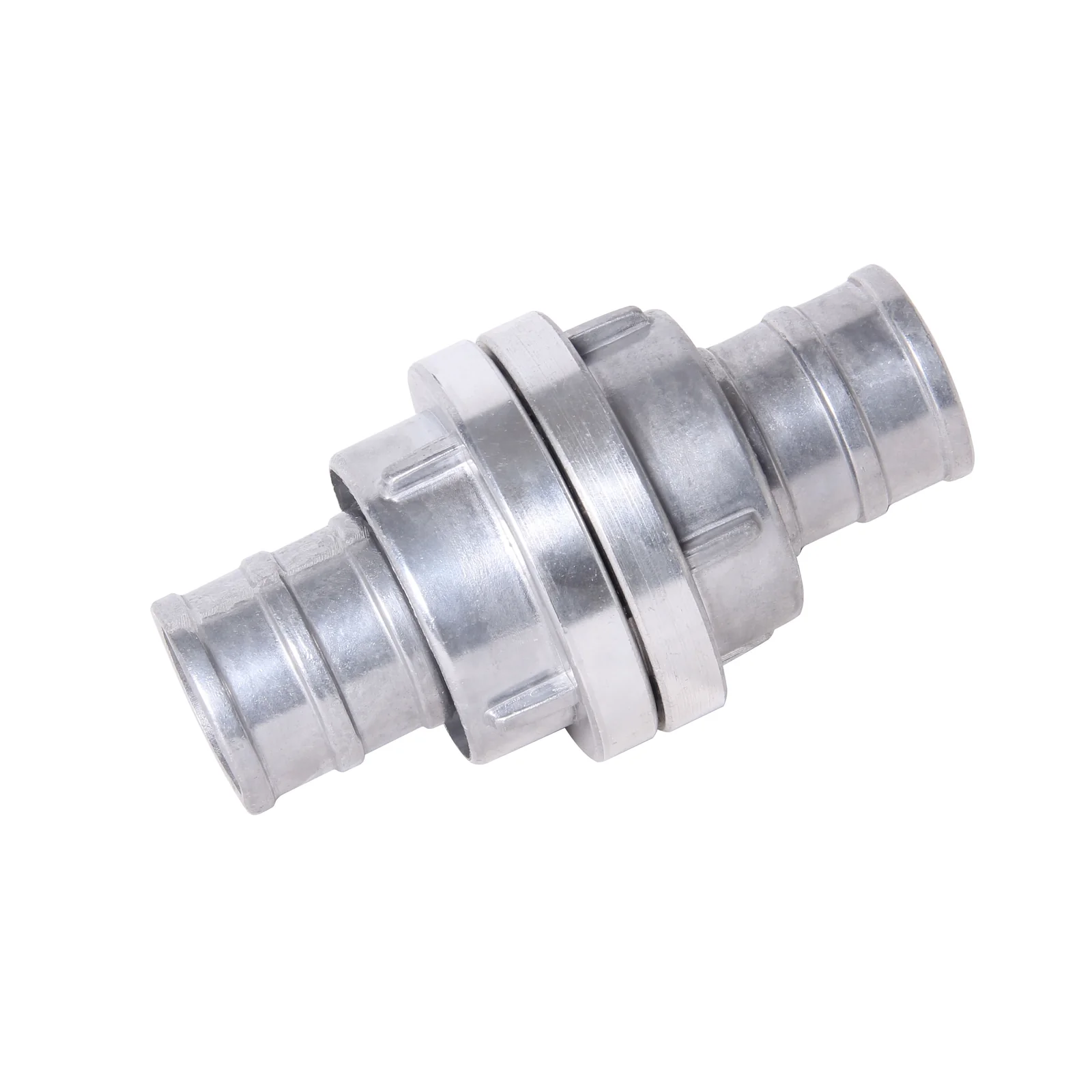
2.5" Aluminum Storz Coupling
German standard quick-connect, DN50-DN150, 1.6 MPa
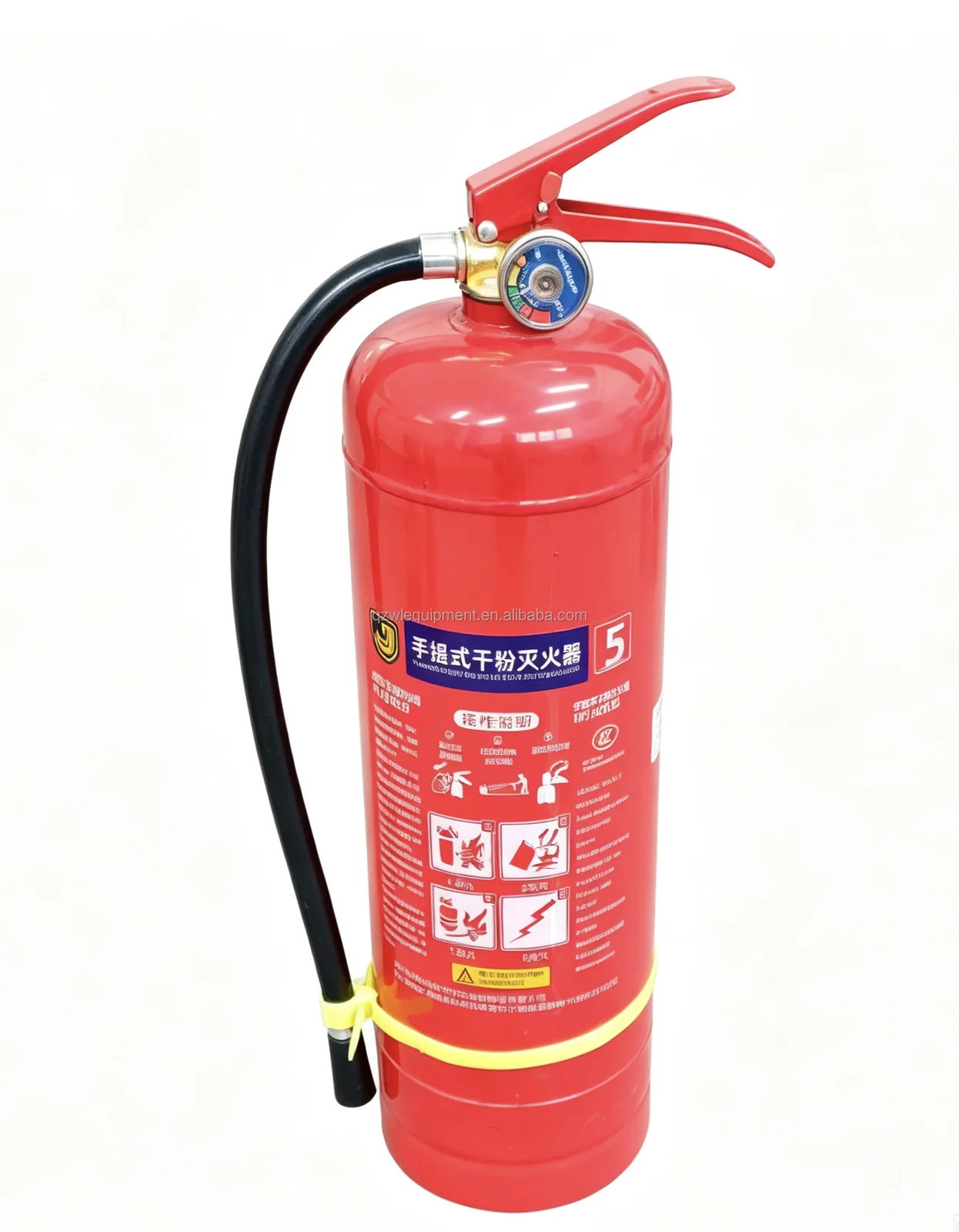
ABC Dry Powder Fire Extinguisher (5kg)
ISO 7165 portable unit for Class A/B/C/E fires

Anti-Collision Outdoor Hydrant (SSFT100)
Pressure-regulating, KWS65 outlets, PN16 ductile iron
1. Why European Compliance Matters for Fire Equipment
Europe is not a niche for fire protection suppliers. In the industry platform buyer sample this guide's market research is based on (August 2026), Europe was the single largest buyer region for the fire-protection category at 20.05%, with Europe and Southeast Asia combined at roughly 39%. In the same sample, CE was the most common certification attribute across fire extinguisher listings (42.35%), signalling that European buyers filter on documented compliance before they filter on price.
What European engineering buyers actually check is a paper trail: which standard the product is manufactured to, which test standard the batch was tested to, which certificate covers the exact model, and which coupling and thread system the equipment connects to. Everything below maps to one of those four questions.
2. CE Marking Basics: Model-Level, Never Series-Level
CE marking is the conformity mark for products placed on the European market. Its legal basis varies by product — the applicable directives and harmonized standards depend on what the product is — which is exactly why a responsible supplier never makes a blanket statement.
- The marking belongs to a model — CE and the supporting Declaration of Conformity cover a defined product with defined characteristics. If the valve size, material or configuration changes, the conformity assessment changes with it.
- Reject series-level claims — a certificate that names a brand or a whole range without model identifiers is a red flag in European procurement. Ask for the document that names the exact model and specification you are buying.
- Expect a technical file — the manufacturer should be able to show the test reports and technical documentation behind the declaration. Our certificates and compliance page explains how this documentation is managed for our fire protection range.
If a quotation answers "is it CE certified?" with "yes, the whole series", the correct follow-up is: which directive, which standard, which model, and can I see the Declaration of Conformity?
3. EN 12845 and the Fire Pump Suction Package
EN 12845 is the European standard for fixed firefighting sprinkler systems — design and installation. It governs the whole water supply chain: storage tanks, pump suctions, pumps, valves and distribution. One of its recurring requirements is that pump suctions drawing from tanks must prevent vortex formation, because a vortex pulls air into the pump, causes cavitation, and can starve the sprinkler system exactly when it needs full flow.
That is the duty of the suction vortex preventer in our range: an austenitic stainless steel (SS304/316) plate assembly fitted at the pump suction inside the tank, manufactured to EN 12845 and GB50974-2014, from DN50 to DN1000. It eliminates the vortex, lets the tank drain to very low water levels (around 100mm), and carries no moving parts to maintain.
The rest of the suction and discharge package follows the same logic: gate or butterfly valves for isolation, check valves on the pump discharge, and alarm valves at the riser. For the full component picture inside an EN 12845-style sprinkler arrangement, see our fire sprinkler system valves guide.
4. Testing Evidence: EN 12266-1 and Batch Reports
European buyers rarely accept a generic "tested to standard" statement; they want the test standard named and the batch identified. The conventions in our factory testing are:
- Valves — 100% shell and seat pressure testing per GB/T13927 or EN 12266-1 (the European standard for industrial valve testing) on request.
- Hydrants — hydrostatic pressure testing (2.4 MPa typical) and flow testing per GB 4452 or the applicable export standard.
- Extinguishers — performance, construction and marking per ISO 7165, with the model marking on the cylinder.
- Batch evidence — test reports should cover the actual production batch you receive, not a template from another model or a different production run.
Put the named test standard in the inquiry and in the purchase order. A supplier who commits the standard in writing is a supplier who can produce the report.
5. Couplings, Interfaces and Portable Equipment
Compliance does not stop at certificates — connections and portable equipment have their own regional rules. Across Europe and much of Asia, Storz quick-connect couplings are the dominant fire hose system. Our 2.5" aluminum Storz coupling follows the German standard with a self-sealing edge, is rated at 1.6 MPa, and suits clear water and foam mixture media. The UK and Commonwealth markets use BS336 threads, and German-style KWS outlets appear on hydrant and standpipe connections — our SSFT100 anti-collision outdoor hydrant is supplied with 2× KWS65 outlets plus a DN100 outlet as standard.
For portable extinguishers destined for Europe, keep the certificate boundary clear: our 5kg ABC dry powder extinguisher is manufactured to ISO 7165 and carries CCCF. ISO 7165 covers international portable-extinguisher performance; CE marking for the EU market depends on the applicable directives for the model; CCCF is China-specific and does not transfer to European sales. Label language, pictograms and instruction language should be confirmed for the destination country before production.
The buyer-side takeaway: name the coupling system and the extinguisher standard in the same sentence as the certificate request — they travel together through the specification.
6. Specification Checklist for European Buyers
- Name the component standard — EN 12845 for the sprinkler water-supply arrangement, EN 12266-1 for valve testing, ISO 7165 for portable extinguishers, plus the applicable standard for hydrants and couplings.
- Demand model-level certificates — CE Declaration of Conformity (where applicable), and the certificate naming the exact model, size and configuration you order.
- Confirm the interface system — Storz, BS336, KWS or other threads for hose, hydrant and nozzle connections; state it in writing.
- Fix the documentation language — label and instruction language for the destination country as part of the OEM scope.
- Request batch test reports — the test records for the production batch you actually receive, not a generic file.
- Consolidate the documentation trail — ordering valves, hydrants and extinguishers from one manufacturer keeps certificates and freight in one file. Run our B2B valve sourcing checklist before committing to a supplier.
Frequently Asked Questions
Does Wanlian supply CE-certified fire protection products? +
Certification is always model- and destination-specific. We supply the certificates, declarations and batch test reports that apply to the exact model and valve/hose configuration you order, and we do not blanket-claim certification across whole product series. Tell us the product and target country and we will confirm which documentation package applies before production.
What is EN 12845 and how does it relate to your products? +
EN 12845 is the European standard for the design and installation of fixed firefighting sprinkler systems. It sets requirements for the whole water supply arrangement, including vortex prevention at pump suctions. Our suction vortex preventer is manufactured to EN 12845 and GB50974-2014: it is installed at the pump suction inside a water tank to stop air entrainment and cavitation, letting the tank volume drain to very low levels safely.
What is the difference between ISO 7165, CE marking and CCCF on a fire extinguisher? +
ISO 7165 is the international performance standard for portable fire extinguishers, covering construction, testing and marking. CE marking is the EU conformity mark for products placed on the European market — its requirements depend on the applicable directives for that product. CCCF is the China Compulsory Certification for fire products and qualifies a unit for the Chinese market only; it is not an export certificate. Always request the certificate that applies to your destination market and the exact model.
Which coupling and connection standards are used for European fire systems? +
Storz quick-connect couplings are the most common system across Europe and much of Asia; German-style KWS outlets also appear on hydrant and standpipe connections, and the UK/Commonwealth market uses BS336 threads. Our 2.5" aluminum Storz coupling (DN50-DN150, 1.6 MPa) covers the German-standard connection family, and outdoor hydrants such as the SSFT100 are supplied with KWS65 outlets. Specify the thread system your market uses in the inquiry so hose, hydrant and nozzle connections match.
Can you provide batch test reports to EN 12266-1 for valves? +
Yes. Valves in our range are shell and seat pressure tested on request in accordance with GB/T13927 or EN 12266-1, and hydrants are hydrostatically tested (2.4 MPa typical) with flow testing per the applicable standard. Ask for the test report covering the actual production batch rather than a generic template.
Can products be labelled and documented for specific EU countries? +
Yes. Label language, pictograms, instruction language and accompanying documentation can be matched to your destination country as part of the OEM scope. Because re-labelling after arrival is expensive, confirm the label language and documentation format before mass production.
Preparing a Fire Protection Order for Europe?
Tell us the products, quantities and target country — our team confirms the applicable standards, certificate package and connection system within 12 hours.