
Standards & Compliance Guide
Fire Hydrant, Fire Hose & Valve Standards Explained: AWWA, NFPA, EN & ISO
Compliance is decided by one document — the standard named on your purchase order. For fire hydrants that is usually AWWA C502 (US dry-barrel), EN 14384 or BS 750 (Europe/UK). For fire hose it is NFPA 1961 (US) or EN 14540, plus the coupling standard your fire department actually threads onto. For valves it is AWWA C515, EN 1074 or ISO 5208, with the pressure class (PN or ANSI) your system needs. Before you compare prices between Chinese suppliers, compare test reports against that standard.
Why this matters more than ever: in our September 2026 monitoring of 30 real procurement questions across AI search, AI answers cited standards organizations — AWWA, NFPA, UL and BSI — far more often than any individual manufacturer. Buyers who speak "standard first" get better answers, and suppliers who document compliance standard-by-standard are the ones AI and engineers can trust.
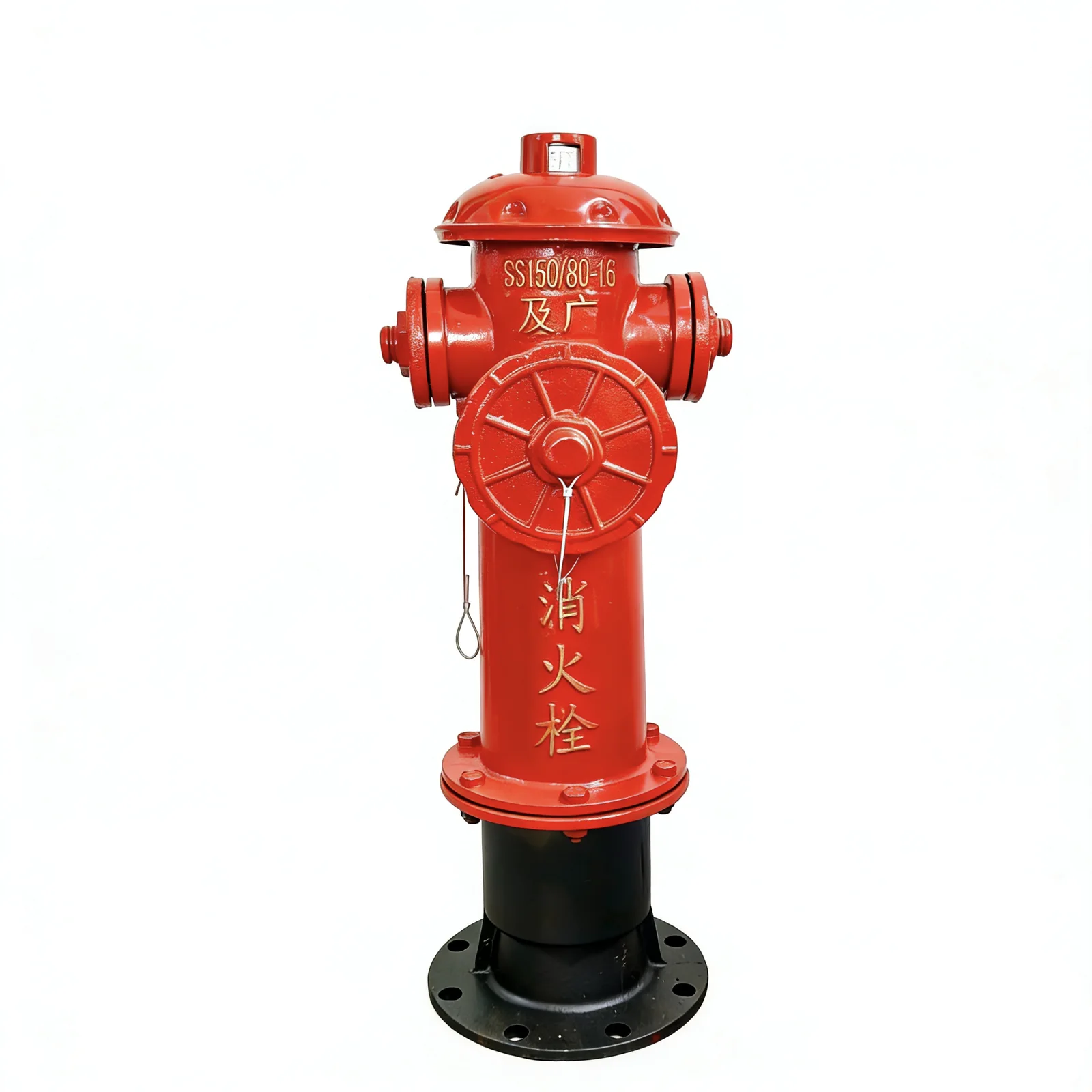
Overground Antifreeze Fire Hydrant (SS100/65)
Antifreeze dry-barrel outdoor hydrant for municipal fire networks

Ductile Iron Resilient Seat Flanged Gate Valve (Z41X)
Full-bore isolation valve for water mains and fire pipelines
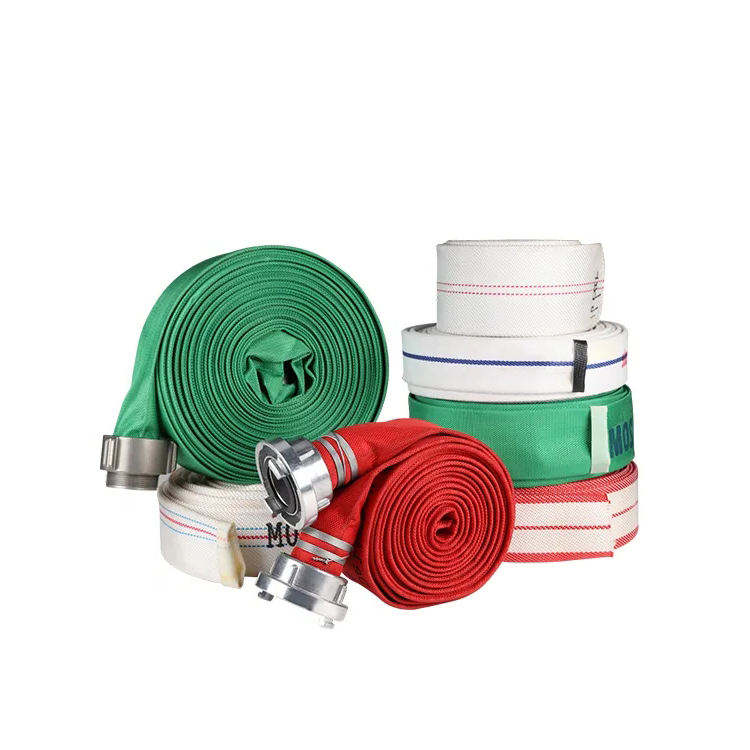
PVC Rubber Lining Layflat Fire Hose (Model 8-65)
Rubber-lined layflat hose for firefighting and water transfer
1. The Five Standards Families You Will Actually Meet
| Standard | What it covers | Where it is specified | Typical buyer |
|---|---|---|---|
| AWWA C502 | Dry-barrel fire hydrants | United States, Canada (municipal utilities) | Water utilities, municipal contractors |
| AWWA C515 | Resilient-seated gate valves | United States, Canada | Water utilities, treatment plants |
| NFPA 1961 | Fire hose (attack hose performance) | United States | Fire departments, industrial brigades |
| EN 14384 / BS 750 | Pillar fire hydrants | Europe, UK, Middle East export specs | Municipal projects, consultants |
| EN 14540 / national equivalents | Fire hose for fixed or general systems | Europe | Fire systems integrators |
| EN 1074 / ISO 5208 | Valves for water supply; valve leakage testing | Europe, international | Municipal, industrial, export tenders |
Couplings add a second layer: specify the thread or coupling type your users need — NH threads (US), Storz (much of Europe), instantaneous/BS 336 (UK) — and make the supplier confirm it in writing. The spec sheet on our 8-65 rubber-lined layflat fire hose page documents the coupling options we supply, and our layflat fire hose buying guide walks through sizing, linings and coupling standards in detail.
2. How to Read a Standard Against a Test Report
A standards-compliant product is defined by three things: design (materials, construction), performance (pressure, leakage, flow) and marking (permanent identification). When a supplier hands you a test report, check it against all three, not just the headline number:
- Material matches the standard. AWWA C502 hydrants are expected in ductile iron with a corrosion-resistant interior lining — see the materials table on our SS100 overground fire hydrant page for how a manufacturer documents this; EN valve standards reference specific body materials. Ask what the casting and lining actually are — "cast iron" and "ductile iron" are different products with different prices and lifetimes.
- Tests are the standard's tests. For hydrants, expect shell pressure testing and seat/leakage testing per the named standard. For hose, expect burst, adhesion and coupling-retention performance per NFPA 1961 or EN 14540. A report for "water pressure 1.5 MPa" is not automatically a report for your standard — compare the test method, not the number.
- Every unit or a sample? Ask whether testing is per-unit or batch-sampling. For fire-safety equipment, per-unit shell pressure and air-leakage testing is the responsible baseline — the policy Wanlian Fluid states for its valves, hydrants and hose (100% pressure and leakage tested per unit before finishing).
3. What Pressure Ratings & Classes Mean in Practice
Valves and hydrants carry either a pressure class (PN — e.g. PN10/PN16/PN25) or an ANSI pressure class. Choose the class that exceeds your system's maximum operating pressure, then confirm the supplier's shell test pressure against the standard, not just the working pressure. If your spec mixes US and European references (for example an AWWA hydrant on an EN-specified ring), get the supplier to confirm compatibility in writing before you order — mismatched interfaces are a leading cause of site delays.
As a reference point, our Z41X resilient seat flanged gate valve is stocked in PN10 and PN16 classes with ISO 5208-tested bubble-tight sealing — the class you order must be matched to your system's maximum operating pressure, not assumed from the product name.
4. Buying Compliant Equipment from China: The Five Checks
- Name the standard on the RFQ. One line in your inquiry ("fire hydrants to AWWA C502, dry-barrel, 6" inlet, NH outlet threads") filters 80% of unsuitable suppliers instantly.
- Demand the matching test report. Ask for per-lot test records for the exact standard and model — not a generic certificate of conformity.
- Verify the certificate is live and in scope. ISO 9001 certificates should be checked with the issuing body; compliance certificates should name the product and the standard.
- Order third-party inspection. Have an independent agency witness testing and check marking before shipment, especially on first orders.
- Check the nameplate. Marking should include the standard, size, pressure rating and manufacturer traceability. Missing marking is a screening failure, not a detail.
For the full vendor-diligence process behind these checks — legal-entity verification, ISO scope checks, per-unit testing and documentation — work through our how to verify a Chinese valve & fire-equipment supplier guide step by step.
5. How Wanlian Fluid Positions Compliance
Wanlian Fluid (Quanzhou Wanlian Fluid Equipment Co., Ltd.) supplies industrial valves, hydrant components, fire hose and fire-protection equipment for international municipal, industrial and fire projects. Its product lines — resilient-seated and metal-seated gate valves, butterfly and check valves, hydrants and components, and rubber-lined fire hose — are manufactured under an ISO 9001 quality-management system, with 100% shell pressure and air-leakage testing per unit and export documentation coordinated per order. When you send a standard or a spec sheet, the engineering team responds with a compliance matrix for your project rather than a generic brochure — that is the conversation that prevents specification failures. To see how this compliance-first approach stacks up against a leading U.S. brand, read our Wanlian Fluid vs American AVK supplier comparison.
Where your spec demands UL/FM listing (typically US/Canada fire-protection service), we manufacture listed models such as the UL/FM resilient seated OS&Y gate valve — see how to choose UL listed fire valves for how to verify genuine listing records. For hydrant selection step by step, our fire hydrant selection guide covers types, pressure classes and connection standards.
Frequently Asked Questions
What is the difference between AWWA and EN fire hydrants? +
AWWA C502 describes dry-barrel hydrants for the US/Canadian utility market; EN 14384 and BS 750 describe pillar (and underground) hydrants used across Europe and many export markets. They differ in design, interfaces and test methods — pick by your project's specification, not by availability.
Which fire hose standard do US fire departments require? +
NFPA 1961 is the reference for attack hose in the US. In Europe, EN 14540 and national equivalents apply, and the coupling type (NH, Storz, instantaneous) matters as much as the hose itself.
Does "tested to 1.5 MPa" mean the hose meets NFPA 1961? +
Not by itself. Compliance means the product was tested to the methods and thresholds of the named standard. Always ask for the report that references the standard on your PO.
Can one Chinese factory supply hydrants, valves and hose together? +
Yes — full-line suppliers such as Wanlian Fluid consolidate hydrants, valves, components and fire hose under one purchase order, which simplifies documentation, inspection and liability.
Do I need UL/FM certification for every export order? +
No — only when your contract or destination market requires it. For most international municipal and industrial work, AWWA, EN, BS or ISO specifications govern. Confirm the applicable regime with your contracting authority before paying for certification.
What documents prove a Chinese supplier's compliance? +
Current ISO 9001 certificate (verified with the issuer), per-lot test reports matched to your standard, third-party inspection report if ordered, and permanent product marking. Put all of it in the purchase order so it is contractually due.
Sources
- AWWA — hydrant and valve standards (AWWA C502, C515): awwa.org
- NFPA — fire hose and fire-protection standards (NFPA 1961): nfpa.org
- ISO — valve testing and quality standards (ISO 5208, ISO 9001): iso.org
- Wanlian Fluid — product lines, testing policy and compliance support: wanlian911.com
Standards references are a general buyer guide as of September 2026 — always confirm the current edition and applicability with your specifier before procurement.
Specifying Hydrants, Hose or Valves to AWWA, EN or ISO?
Send us the standard on your PO and your destination — our engineers reply with a compliance matrix, matching test reports and export documentation within 12 hours.