
Industrial Valve Guide
Bellows Seal Gate Valve Guide: ANSI Flanged Types for Steam & Thermal Oil
In short: a bellows seal gate valve is a gate valve with a welded metallic bellows as a second sealing barrier behind the stem packing, giving zero fugitive leakage at the stem. It is the valve to specify for thermal oil, steam and high-temperature water — and for any service where stem leakage is unacceptable. This guide covers how it works, where it belongs and how to specify it.

Flanged Manual Bellows Seal Gate Valve
Forged/cast steel, DN15-DN300, Class 150/300
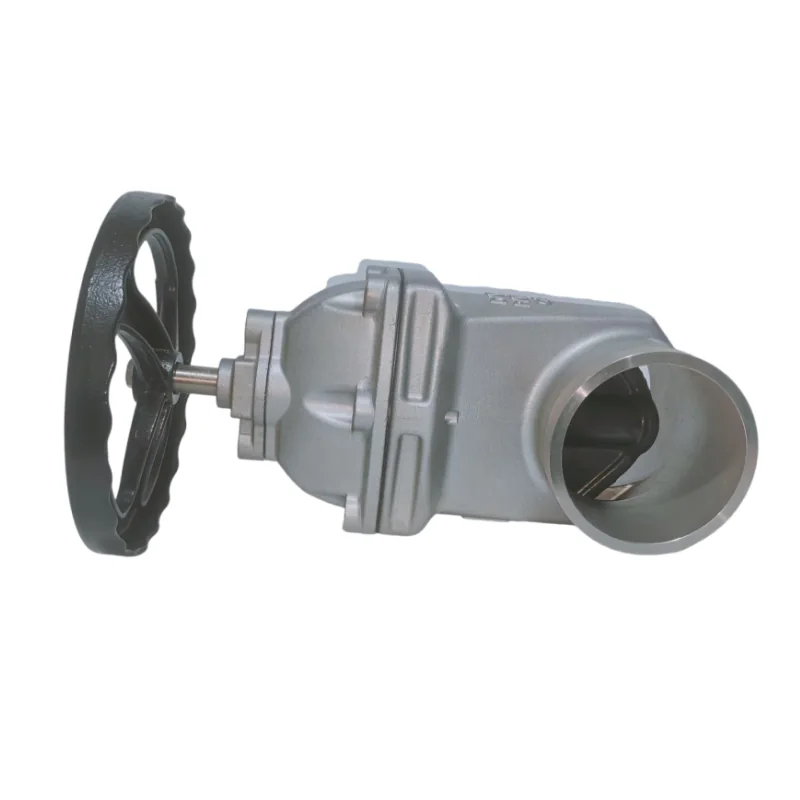
Z85X Stainless Steel Grooved Gate Valve
Cast 316 (CF8M) gate valve for corrosive services
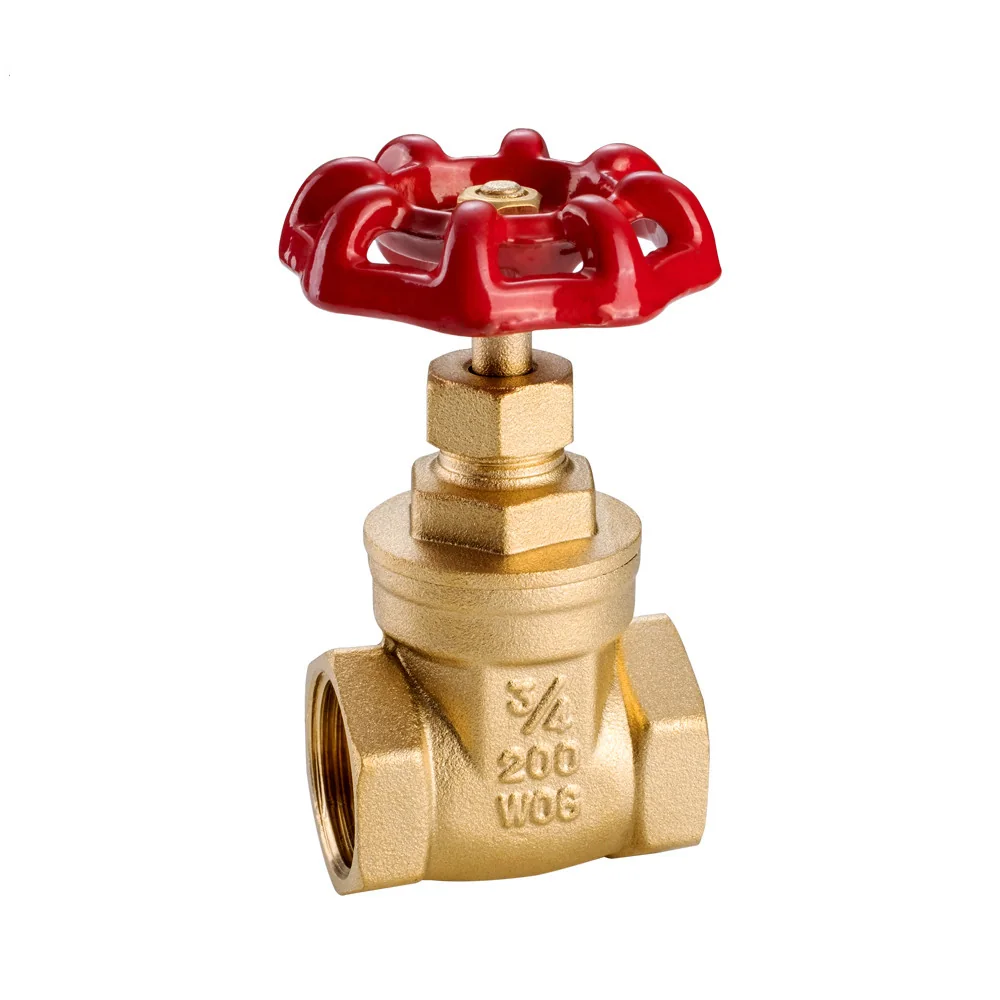
ANSI Forged Brass Gate Valve (Z15W-16T)
NPT threaded gate valve for oil and water lines
1. What Is a Bellows Seal Gate Valve?
A bellows seal gate valve is a rising-stem gate valve in which the stem is enclosed by a welded metal bellows. The bellows expands and contracts with the stem travel, sealing the stem completely from the media — while a conventional packing gland above it provides a second line of defense. The result is a double sealing system: even if the bellows fatigues, the packing still prevents leakage to atmosphere.
This design is what makes the bellows gate valve the standard answer for flanged manual bellows seal gate valves in demanding thermal services.
2. How the Double Seal Works
In a standard gate valve the only barrier between the process media and the atmosphere is the stem packing. Packing is a compression seal — it works, but it can degrade, dry out or loosen over time, especially under thermal cycling. A bellows seal removes the problem at the source: the welded metallic bellows (typically stainless steel 304 or 316Ti) is attached to the stem and the bonnet, so the process media physically cannot reach the packing area.
The packing above the bellows still exists — it seals the bonnet interior from dust and provides backup if the bellows is ever damaged. Maintenance teams get early warning too: if the bellows fails, the valve starts weeping at the packing rather than failing without notice.
Because the bellows is a welded metallic component, its material, weld quality and cycle life are the real quality differentiators between suppliers — worth asking about in every quotation.
3. Where Bellows Valves Are Specified
The classic duty for a bellows seal gate valve is thermal oil and steam. Heat-transfer fluid systems run hot (up to 425°C in our standard range) and under repeated thermal cycling; a leaking stem gland means lost heat, dirty plant and a safety hazard. High-temperature water systems have the same problem in a different form.
Beyond thermal services, bellows valves are specified wherever fugitive emissions must be controlled — toxic, flammable or odorous media, and plants subject to environmental regulation. The welded bellows acts as an effective barrier against fugitive emissions, particularly in applications with high thermal expansion or contraction.
In short: if the line carries something hot, hazardous, or both, ask whether a bellows seal gate valve should replace the standard packing-only gate valve on the specification.
4. Standards and Pressure Classes
Bellows seal gate valves are manufactured to the same dimensional and design frameworks as other steel gate valves. Wanlian bellows seal gate valves conform to GB, ANSI, DIN and JIS standards, and pressure ratings are expressed in both metric terms (1.6-4.0 MPa) and ANSI Class terms (Class 150/300).
For flanged steel gate valves in international projects, the relevant reference families are the ASME/ANSI frameworks — ASME B16.34 governs pressure-temperature ratings of flanged valves, and the API 600/603 series covers steel and corrosion-resistant alloy gate valve design. Where a project specifically requires fugitive-emission performance, valves are commonly specified against leakage testing such as ISO 15848 or TA-Luft.
Always confirm which standard your project invokes (GB, ANSI or DIN) before comparing quotations — the face-to-face dimensions and flange drilling can differ.
5. Bellows vs Standard Gate Valve
| Comparison | Standard Gate Valve | Bellows Seal Gate Valve |
|---|---|---|
| Stem sealing | Packing only | Welded metal bellows + packing |
| Fugitive leakage | Depends on packing condition | Zero via bellows; packing as backup |
| Thermal cycling resistance | Packing may loosen over cycles | Bellows absorbs stem movement |
| Typical duty | Water, air, general fluids | Steam, thermal oil, hazardous media |
| First cost | Lower | Higher — justified by leak-free service |
For general water and air duties a standard gate valve remains the economical choice — see our gate valve vs butterfly valve guide for how gate valves fit into fire and water mains, and the industrial valves hub for the wider product range.
6. B2B Specification Checklist
- Define media and temperature — thermal oil, steam or high-temperature water: state the maximum working temperature so the bellows material and body rating can be confirmed.
- Fix the pressure class and standard — Class 150/300 (PN16-PN40) with GB, ANSI or DIN flange drilling; state which standard the project invokes.
- Specify body and bellows material — forged steel A105 or cast steel WCB bodies with stainless steel 304/316Ti bellows are the standard starting point.
- Ask about bellows construction — welded bellows, weld process and any cycle-life testing performed by the manufacturer.
- Require batch test reports — shell and seat pressure test certificates for the actual batch, plus material certificates on request.
- Verify the supplier first — bellows quality is invisible in photos. Run our B2B valve sourcing checklist before committing to a manufacturer.
Frequently Asked Questions
What is the difference between a bellows seal gate valve and a standard gate valve? +
A standard gate valve relies on stem packing alone to seal around the moving stem. A bellows seal gate valve adds a welded metallic bellows between the stem and the bonnet, creating a second, leak-proof barrier. If the bellows ever fails, the packing still holds — that is why it is described as a double sealing design with zero fugitive leakage.
Which media require bellows seal gate valves? +
Bellows seal gate valves are typically specified for thermal oil, steam and high-temperature water, where stem leakage is a safety and efficiency problem. They are also commonly chosen for toxic, flammable or hazardous media where fugitive emissions must be minimized and for systems subject to strict environmental regulation.
What sizes and pressure classes are available for Wanlian bellows gate valves? +
Our flanged manual bellows seal gate valve covers DN15-DN300 (1/2" to 12") at working pressures of 1.6-4.0 MPa (Class 150/300), with a working temperature range of -29°C to 425°C. Bodies are forged steel (A105) or cast steel (WCB), and the bellows is stainless steel 304 or 316Ti.
Do bellows seal gate valves comply with international standards? +
Wanlian bellows seal gate valves are manufactured to conform to GB, ANSI, DIN and JIS standards, with pressure ratings expressed in both metric (MPa) and ANSI Class terms. Confirm the exact dimensional and pressure standard required by your project before ordering.
How do I verify bellows gate valve quality before ordering? +
Request shell and seat pressure test reports for the actual batch, material certificates for the body and bellows, and confirm the bellows material (304/316Ti) and welding standard in the quotation. Third-party inspection before shipment can be arranged.
Need Bellows Seal Gate Valves for a Thermal or Steam Line?
Tell us your media, temperature, DN and flange standard — our engineers confirm the bellows spec and quote within 12 hours.